

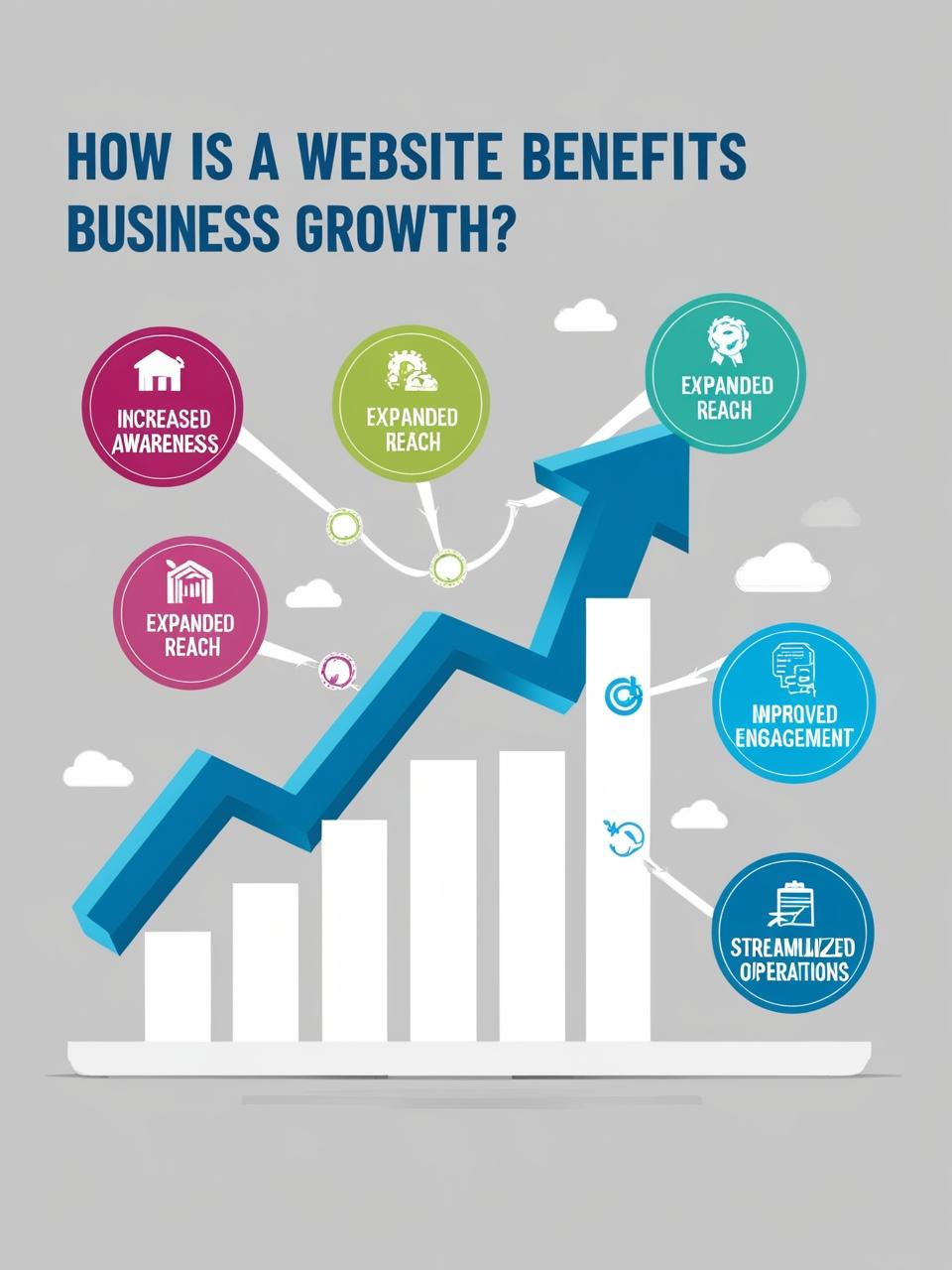
In today’s digital age, having a website is no longer a luxury—it’s a necessity. Whether you own a small business, a startup, or a large corporation, a website can significantly boost your growth. It acts as your online identity, available 24/7 to provide information, attract customers, and generate revenue. Here’s a comprehensive guide on how a website can help grow your business.
1. Establishing an Online Presence
A website acts as your digital storefront. It enables you to:

- Be Accessible Anytime, Anywhere: Potential customers can learn about your products or services at their convenience.
- Expand Your Reach: Unlike a physical store limited by geography, a website can attract customers from all over the world.
2. Building Brand Credibility and Trust
Having a professional website increases trust among potential customers. Features such as customer reviews, certifications, and company history showcase authenticity.
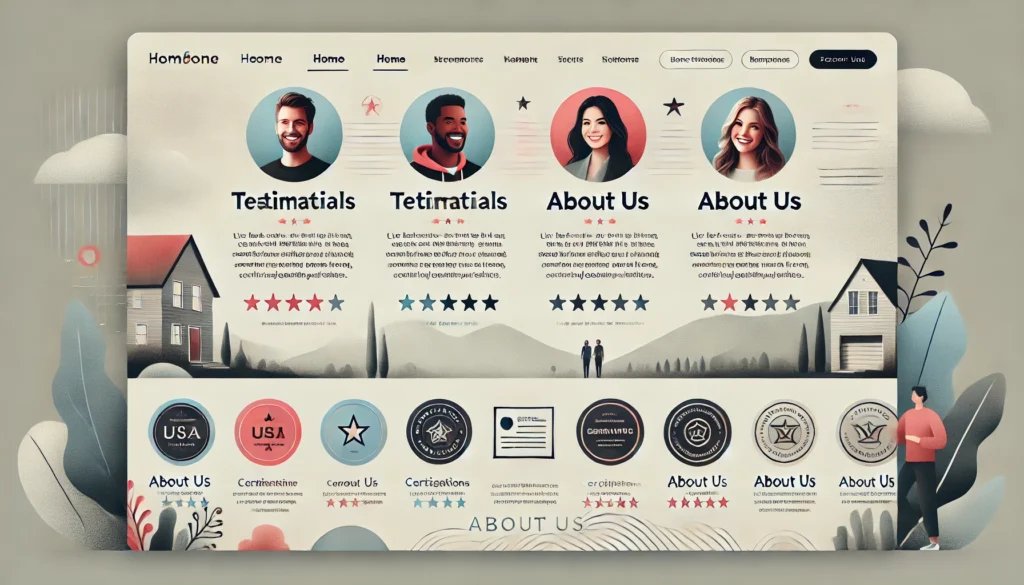
- Professional Design: A visually appealing, easy-to-navigate website reflects professionalism.
- Testimonials and Reviews: Displaying customer feedback builds trust and reliability.
3. Driving Customer Engagement
Websites are interactive platforms where customers can engage with your brand:

- Blogs and Articles: Share valuable content to address customer queries and establish thought leadership.
- Live Chat and Contact Forms: Offer immediate assistance to website visitors.
4. Enhancing Marketing Efforts
A website is the centerpiece of your digital marketing strategy:
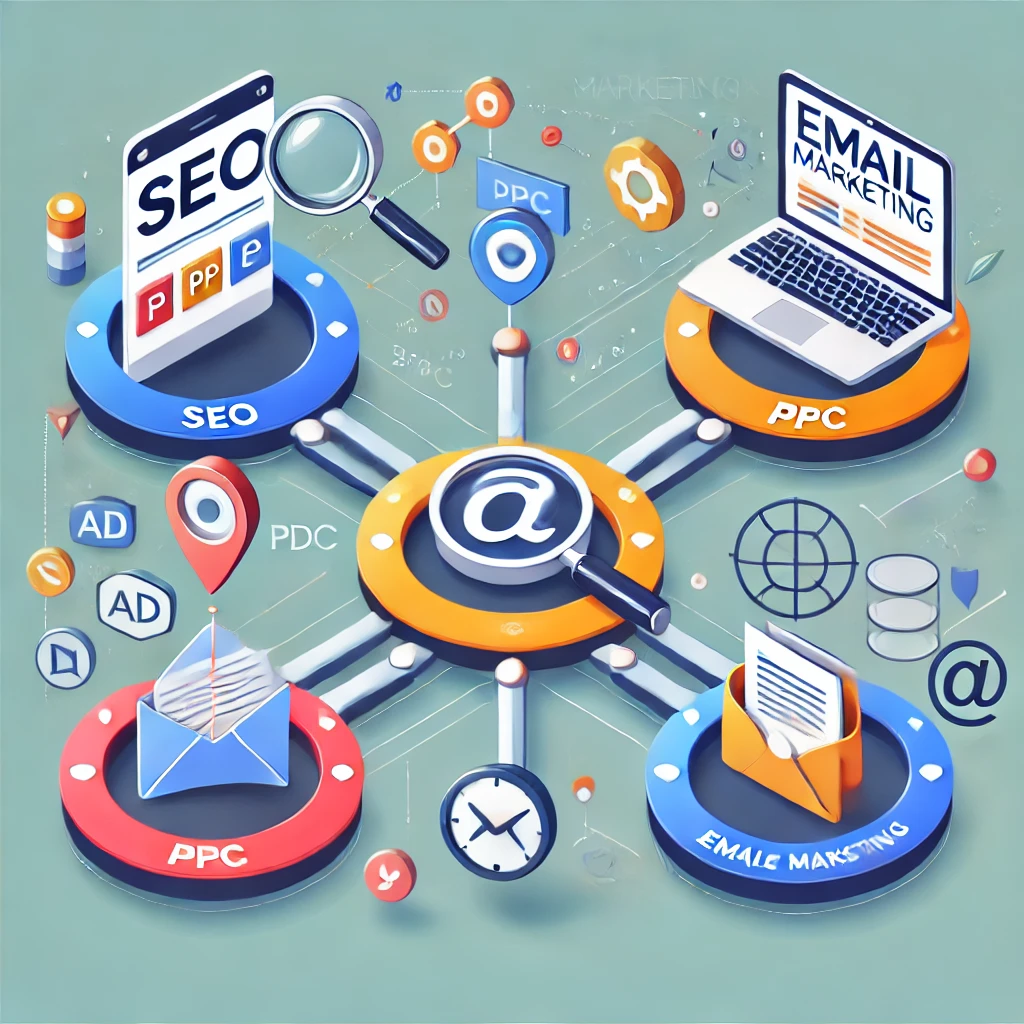
- Search Engine Optimization (SEO): Optimizing your website helps it rank higher on Google, increasing organic traffic.
- Email Marketing: Collect email addresses through subscription forms for personalized marketing.
- Pay-Per-Click Advertising (PPC): Drive targeted traffic to your site via paid ads.
5. Offering E-commerce Capabilities
For product-based businesses, a website doubles as a sales platform:

- Online Store: Sell products 24/7 without the constraints of a physical shop.
- Payment Gateways: Provide secure payment options like credit cards, UPI, and wallets.
- Order Tracking: Allow customers to track orders for a better experience.
6. Showcasing Products and Services
A website allows you to present your offerings in a structured and visually appealing way:

- Product Galleries: High-quality images and detailed descriptions attract buyers.
- Service Pages: Clearly define what you offer and how it benefits customers.
- Case Studies: Highlight success stories to attract more business.
7. Collecting Customer Insights and Analytics
Websites can gather valuable data:

- User Behavior Tracking: Tools like Google Analytics help you understand customer preferences and behavior.
- Feedback Forms: Collect suggestions for improvement directly from your audience.
- Heatmaps: Learn which sections of your website engage users the most.
8. Providing Better Customer Support
Websites streamline customer service with:

- FAQs: Address common queries without manual intervention.
- Chatbots: AI-driven tools provide real-time assistance.
- Help Desk Portals: Centralized systems to track and resolve issues.
9. Competing with Larger Businesses
A website levels the playing field by giving small businesses access to the same tools as big corporations:
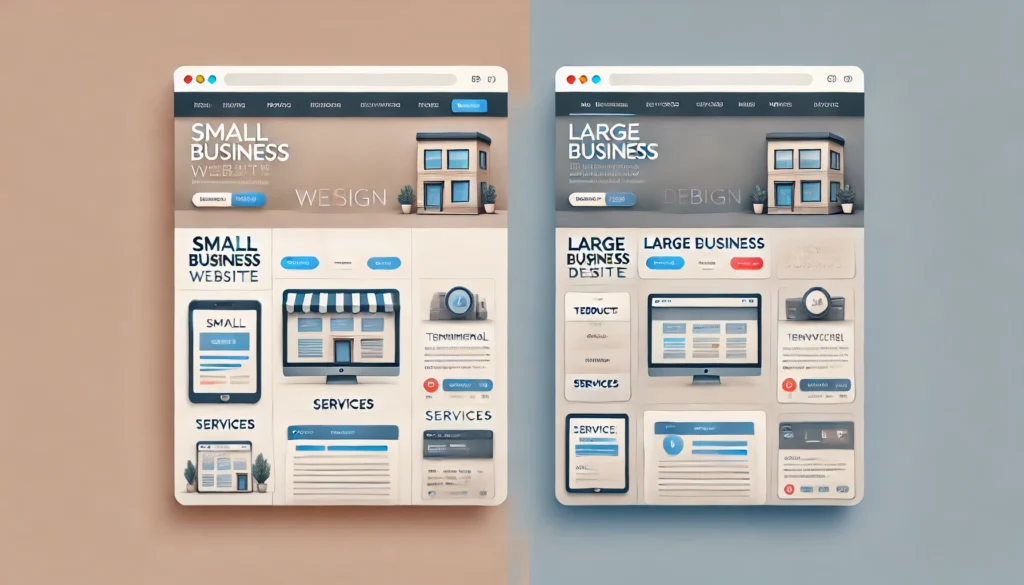
- Digital Advertising: Target specific audiences, just like large companies.
- Professional Appearance: A well-designed site can make a small business appear larger and more established.
10. Increasing Revenue
With features like online ordering, lead generation, and digital marketing, websites contribute directly to revenue growth:

- Conversion Optimization: Turning visitors into customers through effective design and content.
- Upselling and Cross-Selling: Offer related products or services during checkout.
- Recurring Revenue: Subscription-based models for steady income.
11. Leveraging Social Media Integration
Your website serves as a central hub for all your social media efforts:
- Social Share Buttons: Allow visitors to share your content on platforms like Facebook and LinkedIn.
- Embedded Feeds: Display live updates from your social media accounts.
- Traffic Redirection: Guide social media users to your website for more information.
12. Adapting to Mobile Users
With over half of internet traffic coming from mobile devices, responsive websites are essential:
- Mobile-Friendly Design: Ensure your website looks great on all devices.
- Faster Load Times: Optimize images and code for quick loading on mobile networks.
- Tap-to-Call Features: Let mobile users contact you instantly with a single tap.
13. Scaling Your Business
As your business grows, your website can adapt to meet new demands:
- Add New Features: Incorporate tools like booking systems or advanced analytics.
- Global Expansion: Include multilingual options for international customers.
- Increased Traffic Handling: Upgrade hosting to manage high visitor volumes.
14. Staying Ahead of Trends
A website keeps you updated with the latest trends and technologies:
- AI Integration: Personalize user experiences through AI-driven recommendations.
- Voice Search Optimization: Adapt content for devices like Amazon Echo or Google Assistant.
- Augmented Reality (AR): Showcase products in 3D to enhance online shopping experiences.